
 8 Min Read
Published: June 20th, 2026
 6 Min Read
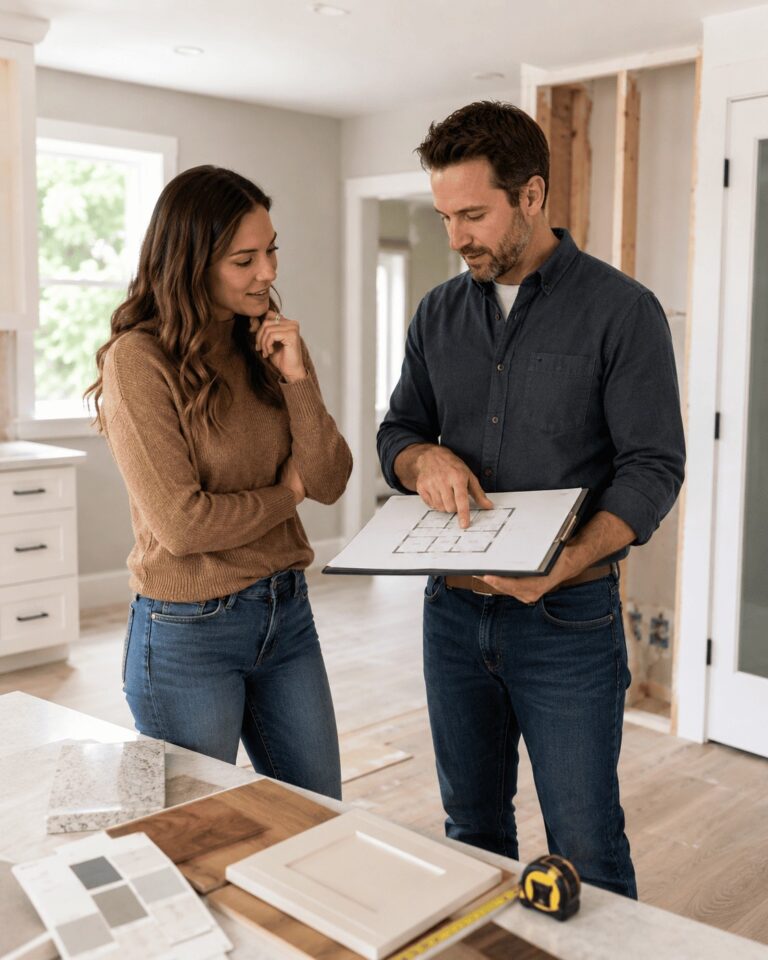
A first remodeling consultation is used to understand the existing space, the homeowner’s goals, the problems that need to be solved, and the likely scope of the project. It is not usually the stage where every design decision is finalized. The main goal is to clarify priorities, identify important questions, and determine the next planning steps before construction begins.
In most cases, this first meeting is less about final decisions and more about clarity. It helps both sides understand the scope of the project, the questions that need to be answered, and what the next steps should look like.
For many homeowners, the first consultation feels like the most uncertain part of the process. That is completely normal. Before construction, before selections, and before a detailed plan comes together, people usually want to know one thing first: what actually happens when we start talking to a remodeling company?
The answer is simpler than many people expect. A first consultation is usually not a high-pressure sales meeting and not a final design presentation. It is the stage where the project begins to take shape in a practical way.
The goal is to understand the space, the homeowner’s priorities, and the type of remodel that may make the most sense. It is also the point where expectations start becoming clearer, which is often what helps reduce stress early in the process.
The Consultation Starts With the Space and the Goal
Most first consultations begin with a discussion about the room or area being remodeled and what the homeowner wants to improve.
That usually means talking through questions like:
- What feels frustrating about the current space?
- What no longer works well?
- What do you want this room to do better?
- Are the problems mostly functional, mostly visual, or both?
- What kind of result are you hoping for?
In many homes, the reason for the remodel is bigger than just appearance. A kitchen may need better flow and storage. A bathroom may need more comfort and usability. A basement may need to become practical living space instead of an underused area.
The first consultation helps clarify that starting point.
The Existing Layout Is Reviewed
A remodeling consultation is not only about ideas. It is also about understanding the physical space as it exists today.
That usually includes reviewing:
- the current layout
- how the room is used
- what parts of the space work well
- what parts create daily friction
- any obvious limitations or opportunities in the room
This step matters because the best remodeling decisions usually come from understanding both the homeowner’s goals and the real conditions of the space.
A project may begin with one idea, but once the room is looked at more carefully, the right direction sometimes becomes more obvious.
Priorities Start Getting Defined
One of the most useful parts of the first consultation is identifying priorities.
Homeowners often come in with several ideas at once, but not all of them carry the same weight. Some care most about layout. Others care more about storage, better lighting, accessibility, finish quality, or making the room feel more current.
The first consultation helps sort out:
- what matters most
- what is essential
- what would be nice to improve if possible
- what kind of project may actually match the home and the goals
That clarity helps later decisions feel more grounded and less reactive.
The Scope Begins to Take Shape
The first consultation is usually where the project starts moving from a general idea into a more realistic scope.
At this stage, the goal is not to finalize every detail. The goal is to start understanding:
- how much of the room may need to change
- whether this is a lighter update or a more complete remodel
- whether the layout may stay the same or need adjustment
- whether additional coordination may be involved
- what next-step planning is needed before construction could begin
This is one of the most important parts of the consultation because it helps prevent a mismatch between what the homeowner expects and what the project actually involves.
Questions About Process Usually Come Up Here
This is also the stage where homeowners naturally want to understand what comes next.
That often includes questions like:
- What are the next steps after this meeting?
- How does planning move forward?
- What decisions need to be made before work starts?
- How does communication usually work during a project?
- What should we prepare for as homeowners?
These are good questions, and they are usually a normal part of the first consultation. In many cases, just understanding the process helps reduce a lot of uncertainty.
People are often less anxious once they understand the sequence of the project, even if many details are still being worked through.
The First Consultation Is Not Usually About Final Answers
This is an important expectation to set.
A first consultation usually does not mean every design decision is made, every detail is finalized, or every answer is available immediately. It is the beginning of the planning process, not the end of it.
The first meeting is most useful when it creates clarity around:
- the real goals of the remodel
- the type of project being considered
- the likely next steps
- the questions that still need to be answered before work begins
That is often exactly what a homeowner needs at the beginning — not perfect certainty, but a clear direction.
What to consider
- What part of the space is causing the most frustration
- Whether your goals are mostly about function, appearance, or both
- Which improvements matter most if not everything changes at once
- Whether you are looking for a focused update or a more complete remodel
- What questions you want answered before planning moves forward
- How clearly you can describe what you want the finished space to do better
When This Type of Consultation Matters Most
A first remodeling consultation is especially important when:
- the homeowner is not yet sure how large the project should be
- the room has more than one problem to solve
- the layout may need to change
- the home has practical limitations that affect planning
- the household wants a clearer sense of direction before committing to bigger decisions
It is also useful when the homeowner has many ideas but needs help organizing them into a workable project path.
What ARTOS Focuses on During the First Conversation
At ARTOS, the first conversation focuses on how the space works today, what the homeowner wants to improve, which priorities matter most, and what information is still needed before a realistic scope can be defined. The goal is to make the next step clearer rather than push the homeowner toward a decision before the project is understood.
Final Thoughts
The first remodeling consultation is where a project starts becoming real. It is the point where the existing space, the homeowner’s goals, and the likely direction of the remodel begin to connect.
In most cases, the meeting is about understanding, not pressure. It is a chance to review the room, clarify priorities, talk through how the space could improve, and understand what the next phase of planning should look like.
For many homeowners, the consultation is valuable simply because it turns uncertainty into a more manageable process.
ARTOS Editorial Team
The ARTOS Editorial Team creates practical remodeling guides based on homeowner questions, ARTOS project experience, and reliable industry and local sources.
Related Services
Related Articles
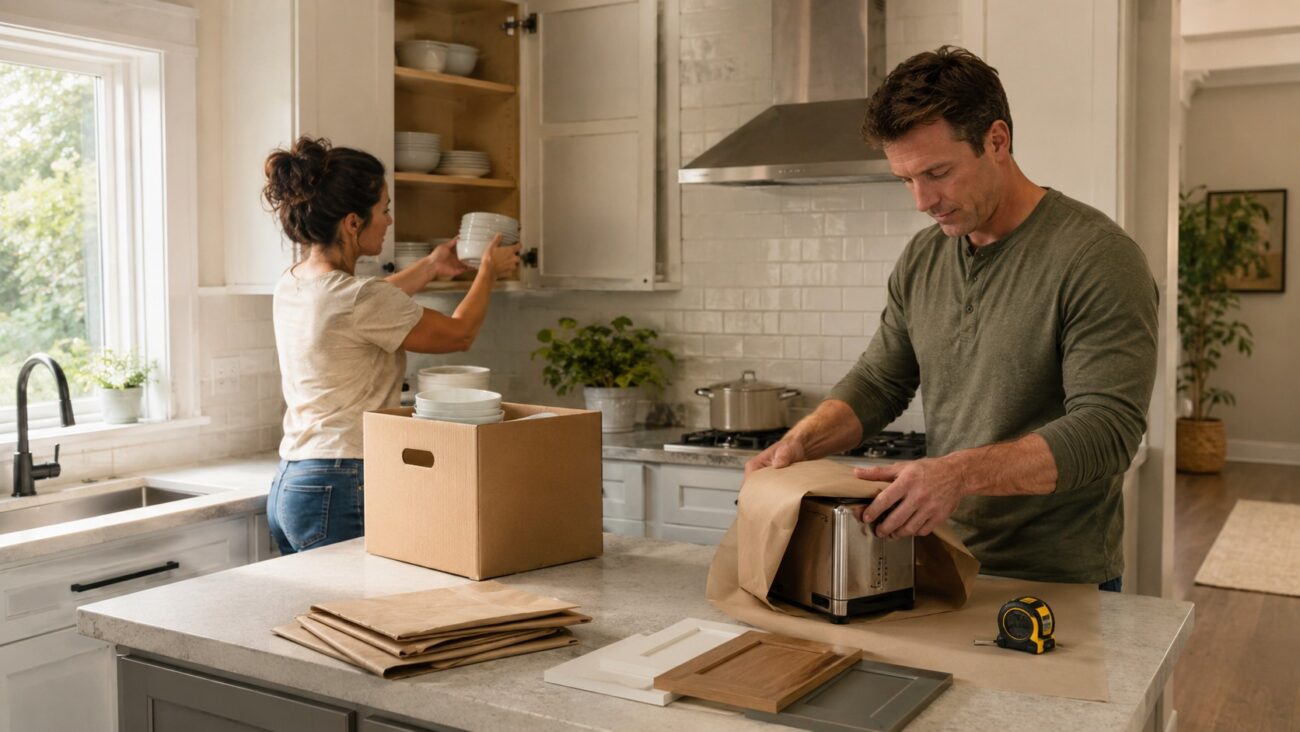
What Should Homeowners Prepare Before a Remodel Starts?
Before a remodel starts, homeowners should prepare in three main ways: clarify the project scope, make key decisions early, and get the...
Read More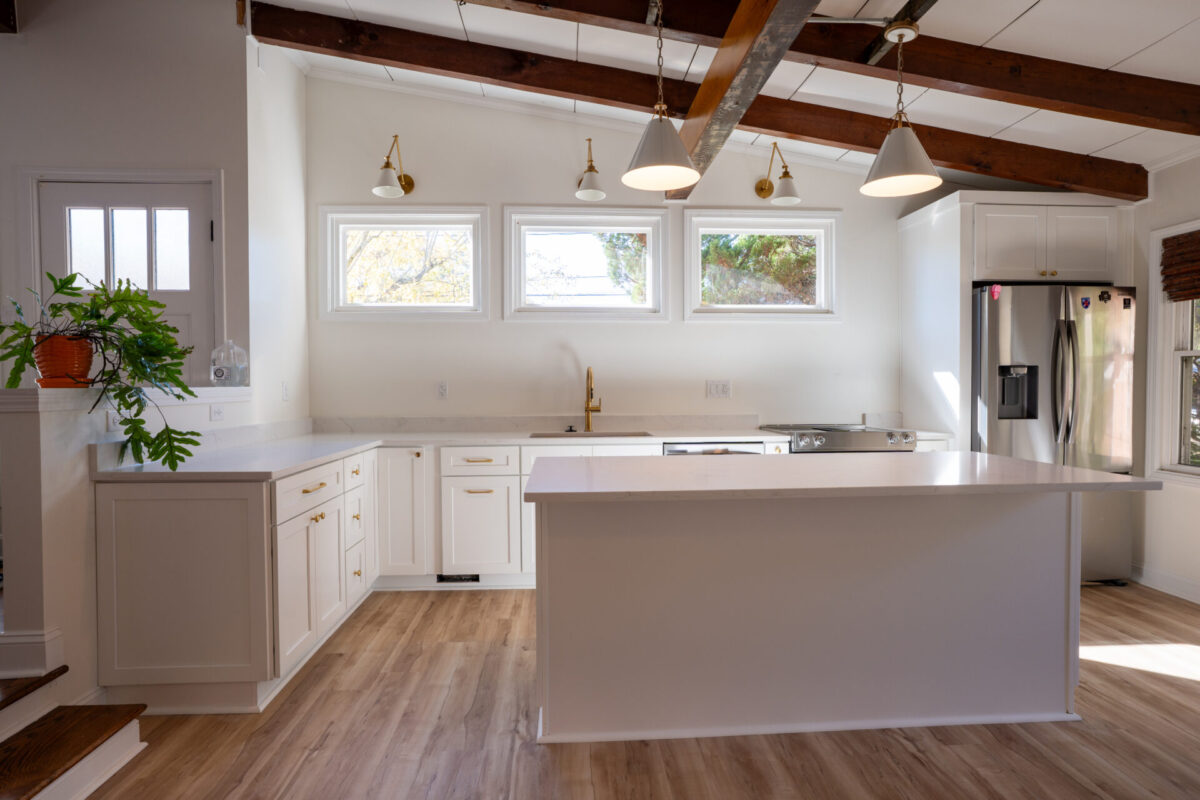
How Long Does a Kitchen Remodel Take in Charlotte?
Most kitchen remodels in Charlotte take several weeks to a few months. The timeline depends on the scope of work, layout changes,...
Read More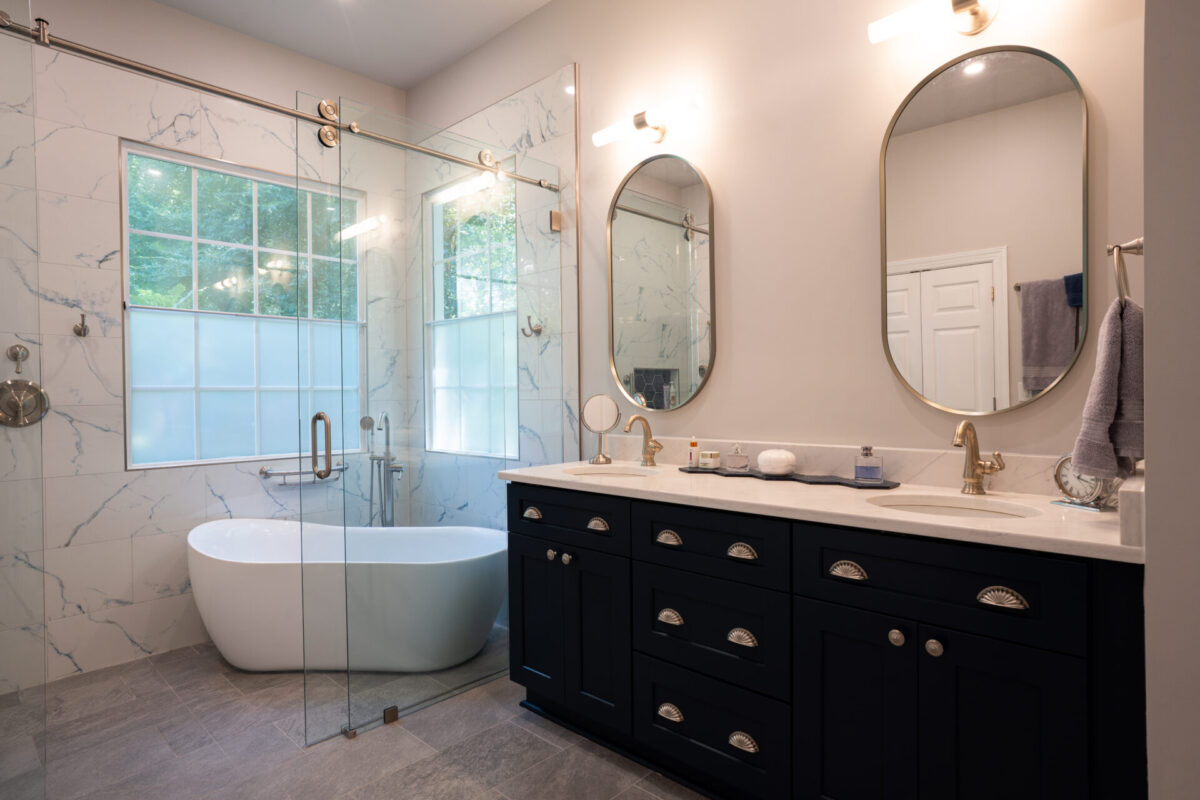
Can You Live at Home During a Bathroom Remodel?
Yes, in many cases you can live at home during a bathroom remodel — especially if the project affects only one bathroom...
Read More
Planning a remodel in Charlotte or nearby areas?
If you are comparing options or preparing for a project, our team can help you understand the next steps and choose the right direction for your space.
Schedule an Estimate/Walk through
Fill out the form below, and we will be in touch shortly.
By clicking “Schedule a free consultation” I expressly consent to Artos Inc contacting me at the telephone number or email address provided for marketing purposes related to its home remodeling services, including through the use of automated dialing technology, SMS/MMS messages, AI generative voice, and prerecorded and/or artificial voice messages, even if my number is currently listed on any state, federal or internal Do Not Call list. Message and data rates may apply. I understand that consent is not a condition of purchase and to be helped I can call (704) 290 7955