
 7 Min Read
Published: June 15th, 2026
 6 Min Read
Before a remodel starts, homeowners should prepare in three main ways: clarify the project scope, make key decisions early, and get the home ready for temporary disruption. The more clearly goals, materials, access, and expectations are discussed before construction begins, the smoother the project usually feels once work is underway.
Preparation is not just about moving furniture or clearing a room. It is about making sure the project starts with enough clarity that avoidable delays, confusion, and last-minute changes do not take over once construction begins.
A remodel usually feels easier when the work starts from a clear plan. Most project stress does not come from the fact that construction is happening. It comes from uncertainty: unclear priorities, unfinished selections, unrealistic expectations, and not knowing what daily life will look like once the work begins.
That is why preparation matters so much. Homeowners do not need to know every technical detail before a remodel starts, but they do need to understand the scope of the project, what matters most to them, and what changes the work will bring into everyday life.
The better prepared the household is before day one, the more manageable the remodel usually becomes.
Start With the Real Goal of the Project
Before materials, timelines, or design choices, the most important thing is understanding why the remodel is happening.
Some projects are driven by function. The layout no longer works, storage is weak, or the space creates daily frustration. Some are driven by comfort or lifestyle changes. Others are mainly about updating a room that feels outdated and disconnected from the rest of the home.
When the real goal is clear, it becomes much easier to make good decisions later. Without that clarity, homeowners often end up reacting to choices one by one instead of evaluating them against the bigger purpose of the remodel.
A useful question at the start is:
What needs to be better when this project is finished?
That answer usually shapes everything that follows.
Confirm the Scope Before Work Begins
One of the biggest causes of stress in remodeling is a mismatch between what the homeowner thinks is happening and what the project actually includes.
Before construction starts, it helps to be clear on:
- which parts of the space are being changed
- which parts are staying as they are
- whether the layout is changing
- whether plumbing, electrical, or structural work may be involved
- what is part of the project now and what is not
This does not mean every detail has to be rigid from day one. But the overall scope should be clear enough that everyone is working from the same understanding.
A project becomes harder to manage when the scope stays vague and keeps changing once the work is already underway.
Make Key Selections Early
The earlier key decisions are made, the easier the remodel usually is to coordinate.
Homeowners do not always need every final detail selected immediately, but major choices should be discussed as early as possible. Depending on the project, that may include:
- materials and finishes
- cabinetry or storage direction
- fixtures and hardware
- tile or surface decisions
- appliance planning
- layout priorities
- style direction
When major decisions are left too open for too long, the project often slows down later. Construction can only move as smoothly as the decision-making behind it.
Preparation is not about overcomplicating the process. It is about reducing the number of avoidable pauses once the work begins.
Prepare the Home for Temporary Disruption
Even a well-managed remodel changes daily life for a while. That is normal.
The amount of disruption depends on the room being remodeled and the scope of the work, but homeowners should still plan ahead for:
- access changes
- dust and noise
- materials being staged
- rooms being temporarily out of service
- changes in storage and daily routines
- limited access to kitchens, bathrooms, or work areas
This is especially important for projects involving high-use spaces like kitchens, bathrooms, entry areas, or shared family zones.
The more realistic the household is about the temporary inconvenience, the easier the project usually feels in practice.
Think About Daily Routines, Not Just Construction
A remodel affects more than the room itself. It affects how people move through the home, where they store things, how they work, how they cook, and how they manage daily routines.
Before construction starts, it helps to think through practical questions like:
- Where will we keep the things that normally live in this room?
- What part of the house will become more crowded while this space is out of use?
- Will this affect children, guests, remote work, or pets?
- Do we need a temporary setup for cooking, bathing, or storage?
- Which parts of the day are most likely to feel disrupted?
These questions may seem small, but they often shape whether the remodel feels manageable or frustrating once it begins.
Understand What Communication Will Look Like
One of the most helpful things homeowners can prepare for is how communication will work during the project.
That includes understanding:
- who the main point of contact is
- how updates will be shared
- how decisions will be handled if something changes
- how questions should be raised during construction
- what kind of adjustments are normal and how they are discussed
Homeowners usually feel much more comfortable once they know how the process will be communicated. Good planning is not only about the physical work. It is also about knowing what to expect from the working relationship.
What to consider
- What is the real goal of the remodel
- Whether the project scope is clearly defined
- Which major selections should be made before work starts
- How the remodel will affect everyday routines in the home
- Whether temporary storage, access, or backup plans are needed
- How communication and decisions will be handled once the project begins

When this option makes sense
Preparation matters for every remodel, but it becomes especially important when:
- the project affects a high-use area of the home
- multiple decisions need to be made before construction
- the layout or systems are changing
- the household plans to stay in the home during the work
- the project involves coordination across several stages or trades
In those cases, preparation is not just helpful. It often determines whether the remodel feels clear and organized or reactive and stressful.
Final Thoughts
Homeowners do not need to know everything before a remodel starts, but they do need enough clarity to make good decisions early. The best preparation usually comes down to three things: understanding the goal, confirming the scope, and getting the home ready for short-term disruption.
A remodel almost always runs better when expectations are realistic, key decisions are made early, and everyone is working from the same plan. Good preparation does not remove every challenge, but it makes the entire process easier to manage from the start.
ARTOS Editorial Team
The ARTOS Editorial Team creates practical remodeling guides based on homeowner questions, ARTOS project experience, and reliable industry and local sources.
Related Services

Related Articles
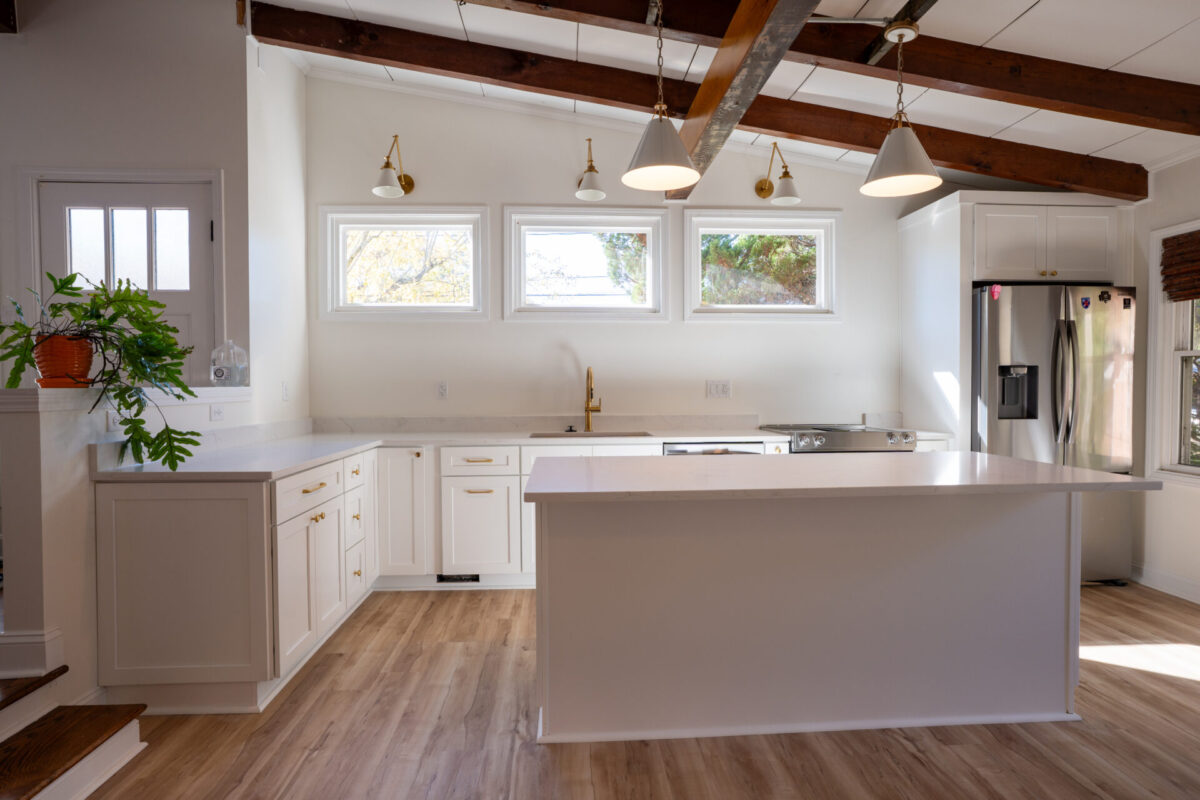
How Long Does a Kitchen Remodel Take in Charlotte?
Most kitchen remodels in Charlotte take several weeks to a few months. The timeline depends on the scope of work, layout changes,...
Read More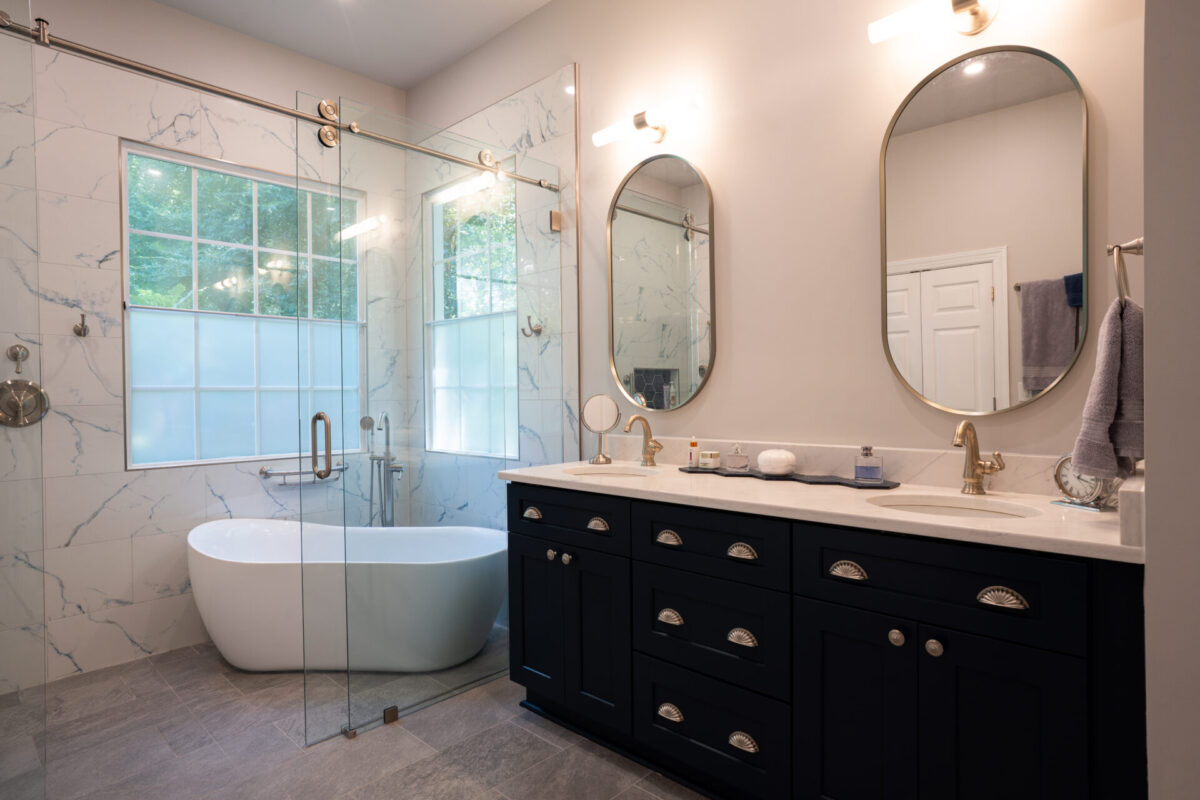
Can You Live at Home During a Bathroom Remodel?
Yes, in many cases you can live at home during a bathroom remodel — especially if the project affects only one bathroom...
Read More
Best Time to Start Your Remodeling Project: Seasonal Pros and Cons
When it comes to home remodeling, timing can influence your project's success. However, with proper planning and the right contractor, any season...
Read More
Planning a remodel in Charlotte or nearby areas?
If you are comparing options or preparing for a project, our team can help you understand the next steps and choose the right direction for your space.
Schedule an Estimate/Walk through
Fill out the form below, and we will be in touch shortly.
By clicking “Schedule a free consultation” I expressly consent to Artos Inc contacting me at the telephone number or email address provided for marketing purposes related to its home remodeling services, including through the use of automated dialing technology, SMS/MMS messages, AI generative voice, and prerecorded and/or artificial voice messages, even if my number is currently listed on any state, federal or internal Do Not Call list. Message and data rates may apply. I understand that consent is not a condition of purchase and to be helped I can call (704) 290 7955