
 6 Min Read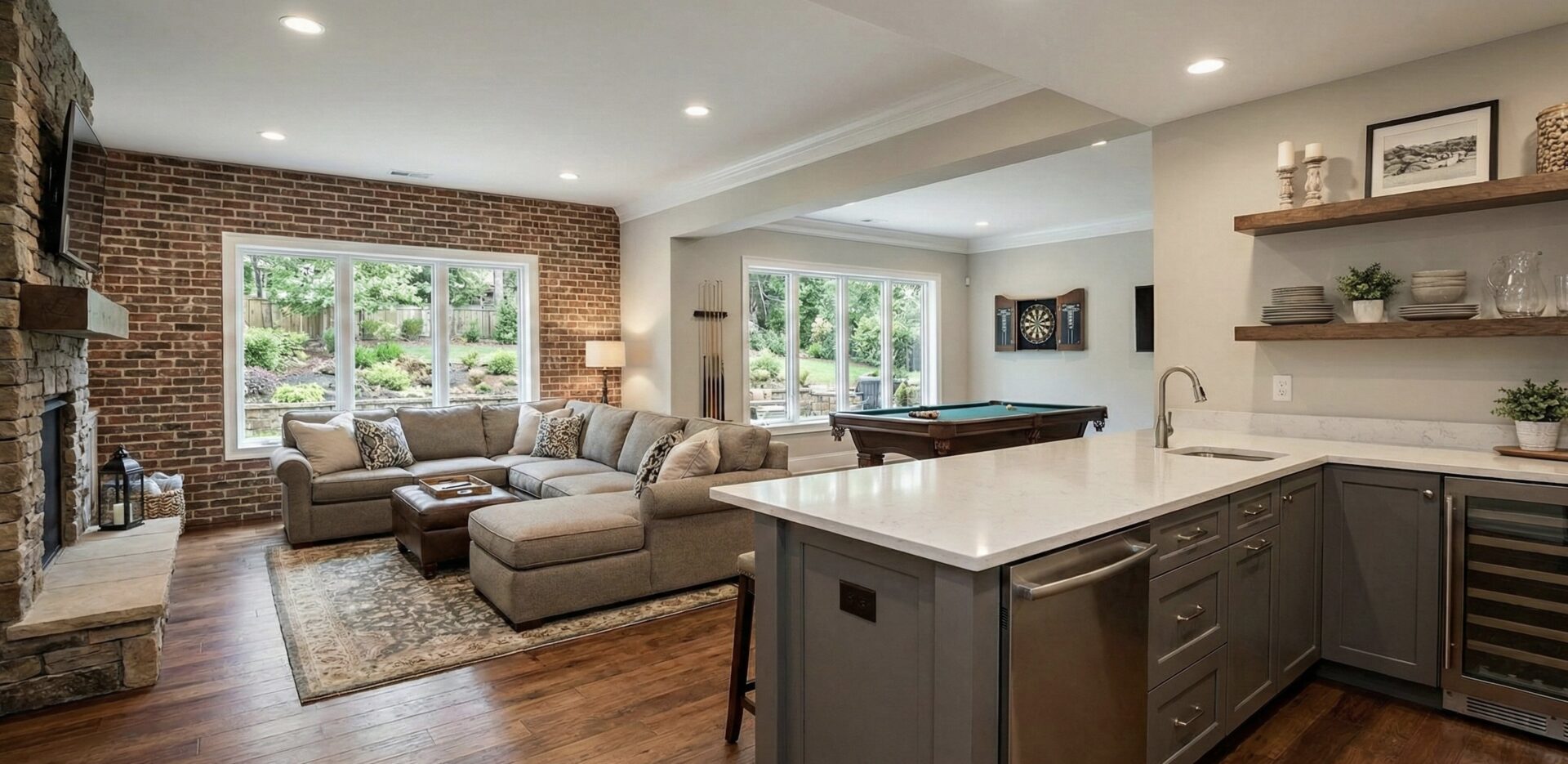
Published: June 20th, 2026
 5 Min Read
Matthews homeowners often start with the rooms that create the most everyday inconvenience — usually the kitchen, bathroom, or an underused lower-level space. There is no universal room that should always be remodeled first. The best starting point is the space where layout, storage, comfort, or functionality has the biggest effect on daily life.
Why Homeowners in Matthews Often Start With the Most Used Spaces
Most remodeling decisions begin with daily frustration, not design trends.
A homeowner may feel that the kitchen has poor flow, not enough storage, or work zones that no longer make sense. A bathroom may feel dated, hard to clean, or less comfortable than it should be. A basement or flexible lower-level space may exist, but not actually support the way the family wants to use the home.
That is why the first upgrades in Matthews are usually tied to function. Homeowners often focus on the rooms that affect routines the most, especially spaces used every morning, every evening, or all throughout the week.
In many cases, the first remodel is not about doing everything at once. It is about starting with the room that will make the biggest difference in everyday life.
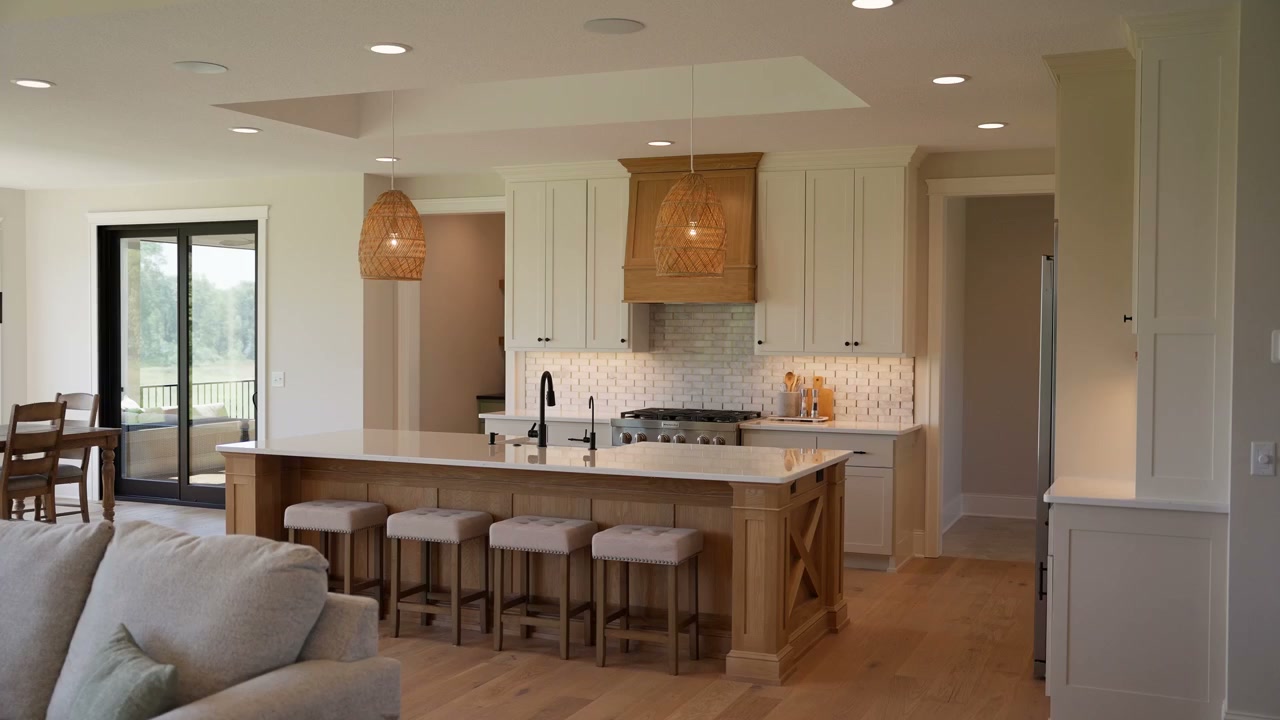
Kitchens Are Often One of the First Priorities
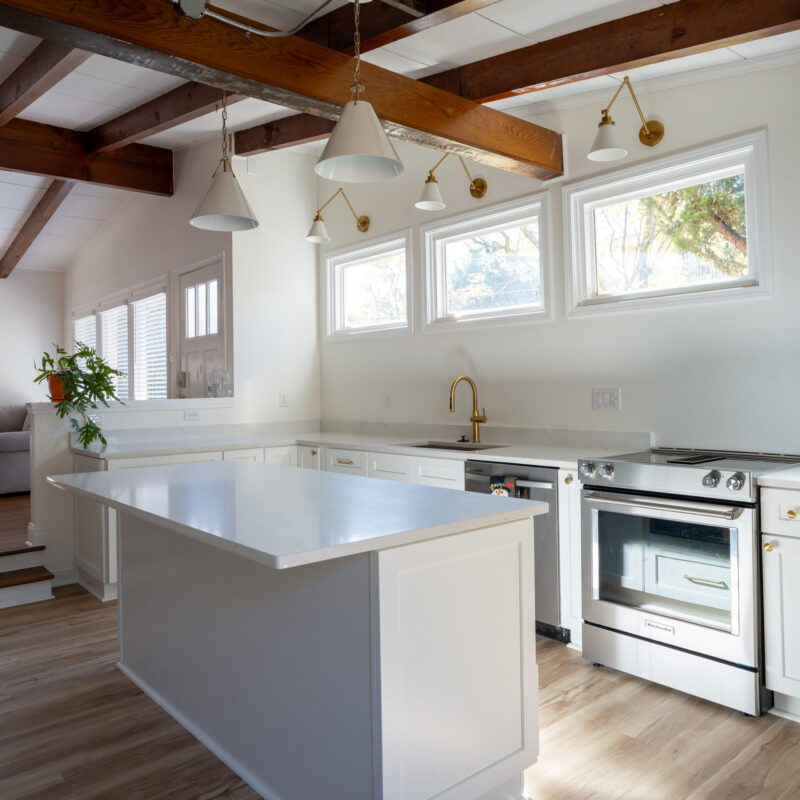
For many homeowners, the kitchen becomes the first place to improve because it affects daily movement, storage, cooking, family traffic, and how the home feels overall.
A kitchen may be the first upgrade when:
- the layout feels inefficient
- storage is limited or poorly planned
- lighting does not support everyday use
- finishes feel dated
- the room no longer fits how the household actually lives
Sometimes the problem is visual, but more often it is practical. A kitchen that looks acceptable can still be frustrating to use every day. That is usually what pushes it to the top of the remodeling list.
Bathrooms Are Another Common First Upgrade
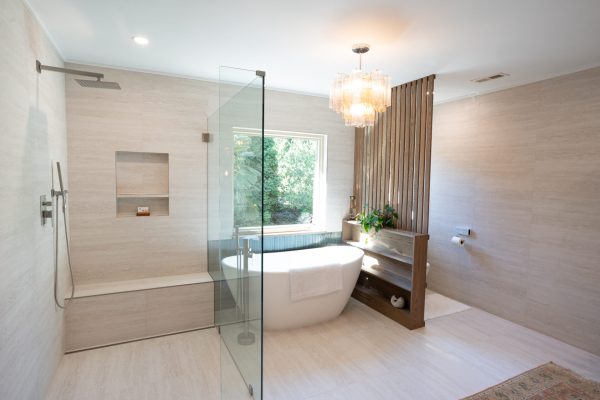
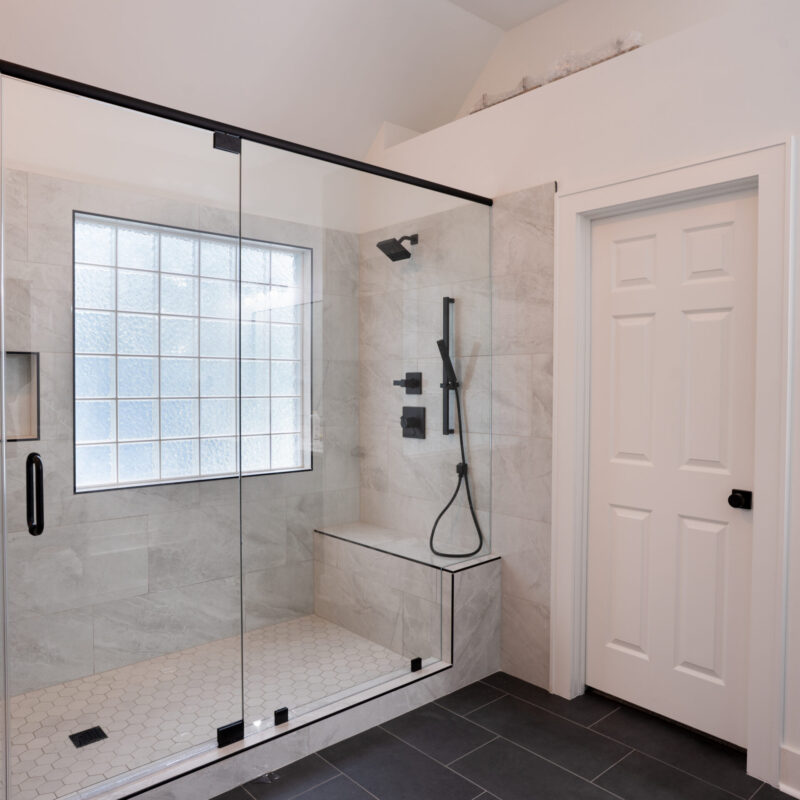
Bathrooms are another space homeowners in Matthews often choose to improve early. These projects usually come from a need for more comfort, easier use, or a more updated feel.
A bathroom often moves up in priority when:
- the shower or tub feels outdated
- the room is harder to clean and maintain than it should be
- storage is limited
- the finishes feel tired
- the room no longer feels comfortable or well organized
For some households, the main issue is one element like the shower. For others, the whole room feels like it needs a reset. Either way, bathrooms are one of the most common early remodeling priorities because they affect comfort every single day.
Basements and Flexible Living Areas Often Come Next
After kitchens and bathrooms, homeowners often look at lower-level space or underused rooms that could be serving a better purpose.
This usually happens when the home technically has enough square footage, but not enough square footage that works well.
A basement or flexible space often becomes a priority when the household needs:
- a family room
- a home office
- a guest area
- a hobby space
- a more organized secondary living zone
In these cases, the question is usually not “Do we need more house?” but “Can we make better use of the space we already have?”
That is why these types of remodels often come after the highest-use rooms are addressed first.
Common Homeowner Scenarios in Matthews
The kitchen still works, but it feels inefficient
This is one of the most common starting points. The room may not be falling apart, but storage, lighting, layout, or daily function no longer feel right.
The bathroom feels dated and less comfortable than it should
Homeowners often prioritize bathrooms when comfort, visual age, or shower usability becomes a daily frustration.
The house needs more functional space without expanding outward
In many cases, an underused lower level, office area, or flexible room becomes the next logical upgrade.
The home no longer matches how the family lives now
A house that worked well years ago may need a different setup today. That often drives the first round of remodeling decisions.
What to Plan Before the Project Starts
Before choosing which room to remodel first, it helps to be clear about what is actually causing the frustration.
A strong starting point is asking:
- Which room affects daily life the most?
- What feels hardest to live with right now?
- Is the issue mostly visual, mostly functional, or both?
- Would one focused remodel make a bigger difference than several small updates?
It also helps to think through how the remodel will affect daily routines once work begins. Kitchens and bathrooms usually create more short-term disruption than lower-use spaces, so planning matters just as much as project selection.
The most successful first projects are usually the ones where the homeowner is clear on both the problem and the goal.
Local Planning Considerations in Matthews
Remodeling decisions in Matthews can involve both the condition of the home and local permitting or planning requirements. Mecklenburg County handles building and trade permitting, while Town of Matthews planning requirements may also be relevant depending on the property and scope. Requirements should be checked after the proposed work is defined.
A Smart First Remodel Is Usually the One With the Biggest Everyday Impact
The best first upgrade is not always the most dramatic one. It is usually the one that improves the way the home works on a day-to-day basis.
For one household, that means fixing the kitchen layout. For another, it means updating the bathroom they use every morning. For someone else, it means creating a more practical lower-level living area.
That is why the “right” first remodel in Matthews depends less on trend and more on actual lifestyle needs.
ARTOS Editorial Team
The ARTOS Editorial Team creates practical remodeling guides based on homeowner questions, ARTOS project experience, and reliable industry and local sources.
Related Services
Related projects in this area
Planning a remodel in Charlotte or nearby areas?
If you already know which part of the home needs attention, explore our Home Remodeling in Matthews page to compare services, project examples, and the next planning steps.