
 7 Min Read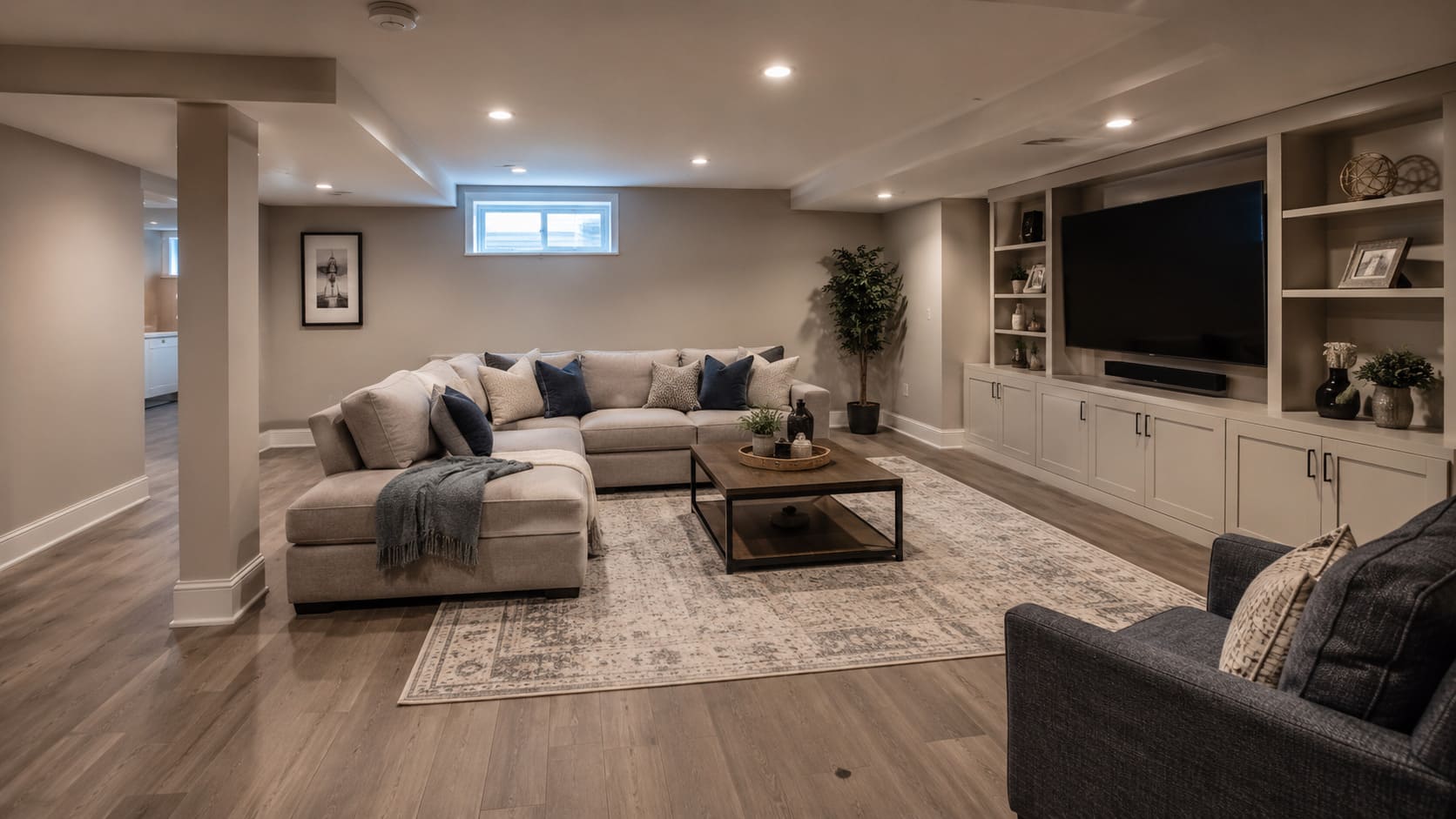
Published: June 15th, 2026
 7 Min Read
Basement finishing usually means turning an unfinished lower level into usable living space by adding the basic interior systems and finishes. Basement remodeling usually means changing or upgrading a basement that is already finished or partially finished. The right approach depends on the current condition of the space and how the homeowner plans to use it.
Key Differences
Main goal
The main goal of finishing is to create a usable room where there was not really a complete room before.
The main goal of remodeling is to improve, rework, or update a space that technically exists but no longer feels right, practical, or current.
Scope of work
A finishing project usually focuses on bringing the basement up to a comfortable, usable standard. That often includes framing, drywall, flooring, lighting, trim, paint, and other core interior elements.
A remodeling project may involve changing layout, reworking zones, updating surfaces, improving function, adjusting storage, refreshing finishes, or shifting the basement toward a completely different use.
Type of decision-making
Finishing decisions often revolve around how to create a complete foundation for the space.
Remodeling decisions often revolve around what needs to change and what can stay, especially if the basement already has features, rooms, or older design choices in place.
Basement Finishing | Basement Remodeling | |
|---|---|---|
Starting point | Unfinished or largely incomplete space | Finished or partially finished space |
Main goal | Make the basement usable | Improve or change existing space |
Typical focus | Walls, flooring, lighting, insulation, basic interior completion | Layout, function, storage, finishes, room use |
Best fit | Creating living space for the first time | Updating an existing basement |
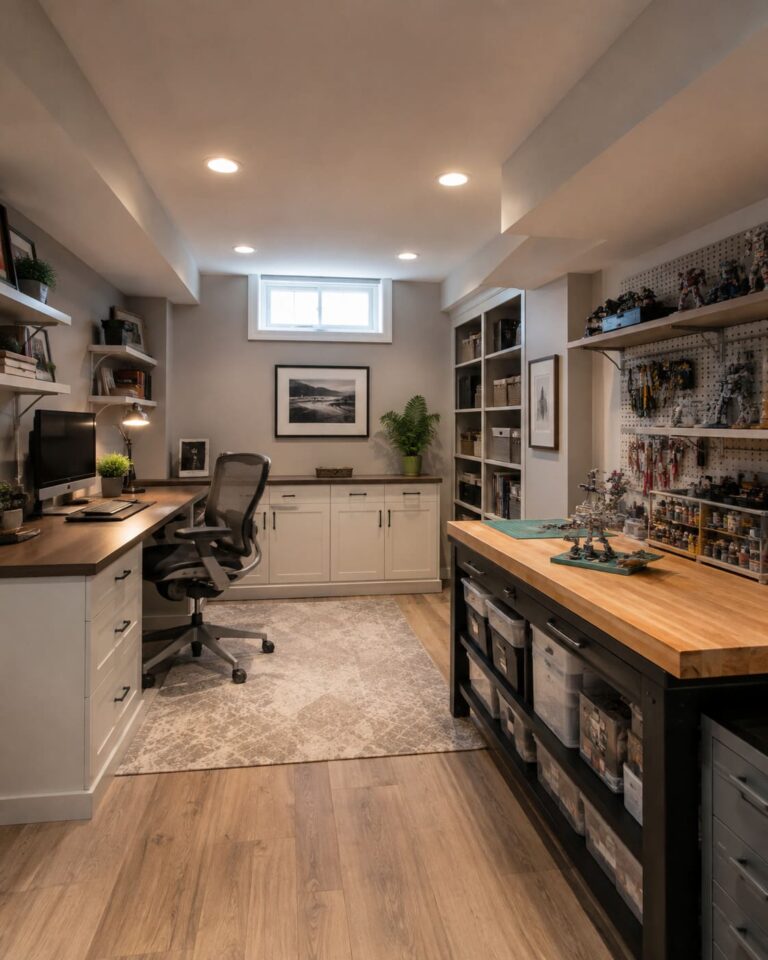
Which Option Is Better For Your Home?
The better option depends on what the basement looks like today and what you want it to become.
If the basement is mostly unfinished and the main question is how to make it livable, finishing is usually the clearer path. That is often the right direction for homeowners who want to add practical square footage and make the lower level feel like part of the home instead of storage or underused space.
If the basement is already somewhat complete but feels dated, awkward, underused, or poorly planned, remodeling is usually the better fit. That is especially true when the space exists but does not support the way the household actually lives.
The more helpful question is often not “Which term is correct?” but “Are we creating a real room from an unfinished space, or are we improving an existing room that no longer works?”
Not sure how to classify your project? ARTOS can review the existing space and help define the appropriate scope.
When to Choose Basement Finishing
Basement finishing usually makes sense when the lower level still feels raw, incomplete, or not truly usable for daily life.
This direction is often the right fit when:
- the basement is mostly unfinished
- the space is being turned into livable square footage for the first time
- the goal is to create a clean, comfortable, usable foundation
- the household needs more flexible room for everyday use
Homeowners often choose finishing when they want to turn the basement into:
- a family room
- a guest area
- a home office
- a fitness space
- a hobby room
- a practical overflow zone for the household
In this kind of project, the main shift is from incomplete to complete.
When to Choose Basement Remodeling
Basement remodeling usually makes sense when the lower level already has some level of finish, but the space is no longer serving the home well.
This direction is often the right fit when:
- the basement already has walls, flooring, or a room layout
- the existing design feels dated or disconnected from the rest of the home
- the space is underused or poorly organized
- the homeowner wants to rework function, layout, comfort, or visual style
A remodeling project may focus on things like:
- improving flow between zones
- changing how the space is used
- upgrading finishes and lighting
- adding better storage
- making the basement feel more intentional and less like an afterthought
In this kind of project, the main shift is from existing but flawed to more functional and better aligned with current needs.
What to Consider Before Deciding
How complete is the basement right now?
This is usually the clearest starting point. If the space still lacks the basics of a finished interior, finishing is usually the more accurate path. If the structure is already there but the space needs rethinking, remodeling may be the better term and the better strategy.
What do you want the basement to become?
A simple, flexible living area may call for one kind of approach. A more specific goal — like a guest zone, media room, work area, or multi-use family space — may point toward a more tailored remodel.
Does the basement already have a layout that works?
If the existing layout is awkward, disconnected, or inefficient, remodeling may be necessary even if the space already looks “finished” on paper.
Are you trying to complete the space or improve the experience of the space?
That difference usually clarifies the direction very quickly.
When This Option Makes Sense
If the lower level is still largely unfinished and the main need is to create usable living space, basement finishing usually makes the most sense.
If the basement already exists as a room or set of rooms but no longer feels practical, current, or well planned, basement remodeling is usually the better fit.
For many homes, the right answer is not strictly one or the other. Some projects begin as finishing but include remodeling decisions because the homeowner wants more than just a completed shell. Others begin as remodeling but reveal that larger finishing work is needed to make the space truly functional.
The important part is understanding what the basement is today and what the household needs it to become.
Final Thoughts
Basement finishing and basement remodeling are closely related, but they are not exactly the same. Finishing usually means creating a complete living space from an unfinished starting point. Remodeling usually means improving or reworking a basement that already has some level of finish or prior use.
For homeowners, the real decision is less about terminology and more about scope. Are you building the space out for the first time, or are you changing a basement that already exists into something more useful, better planned, and more comfortable?
Once that is clear, the next steps become much easier to understand.
ARTOS Editorial Team
The ARTOS Editorial Team creates practical remodeling guides based on homeowner questions, ARTOS project experience, and reliable industry and local sources.
Related Services
Related Articles

Basement Remodeling Ideas for Charlotte Homes
The best basement remodeling idea is one that matches the existing space and a real household need. Before choosing between a family...
Read More
What Should Homeowners Prepare Before a Remodel Starts?
Before a remodel starts, homeowners should prepare in three main ways: clarify the project scope, make key decisions early, and get the...
Read More
What Affects the Cost to Finish a Basement?
The cost of finishing a basement depends on much more than square footage. The current condition of the lower level, moisture protection,...
Read MoreRelated Projects
Planning a remodel in Charlotte or nearby areas?
If you are comparing options or preparing for a project, our team can help you understand the next steps and choose the right direction for your space.
Schedule an Estimate/Walk through
Fill out the form below, and we will be in touch shortly.
By clicking “Schedule a free consultation” I expressly consent to Artos Inc contacting me at the telephone number or email address provided for marketing purposes related to its home remodeling services, including through the use of automated dialing technology, SMS/MMS messages, AI generative voice, and prerecorded and/or artificial voice messages, even if my number is currently listed on any state, federal or internal Do Not Call list. Message and data rates may apply. I understand that consent is not a condition of purchase and to be helped I can call (704) 290 7955