 6 Min Read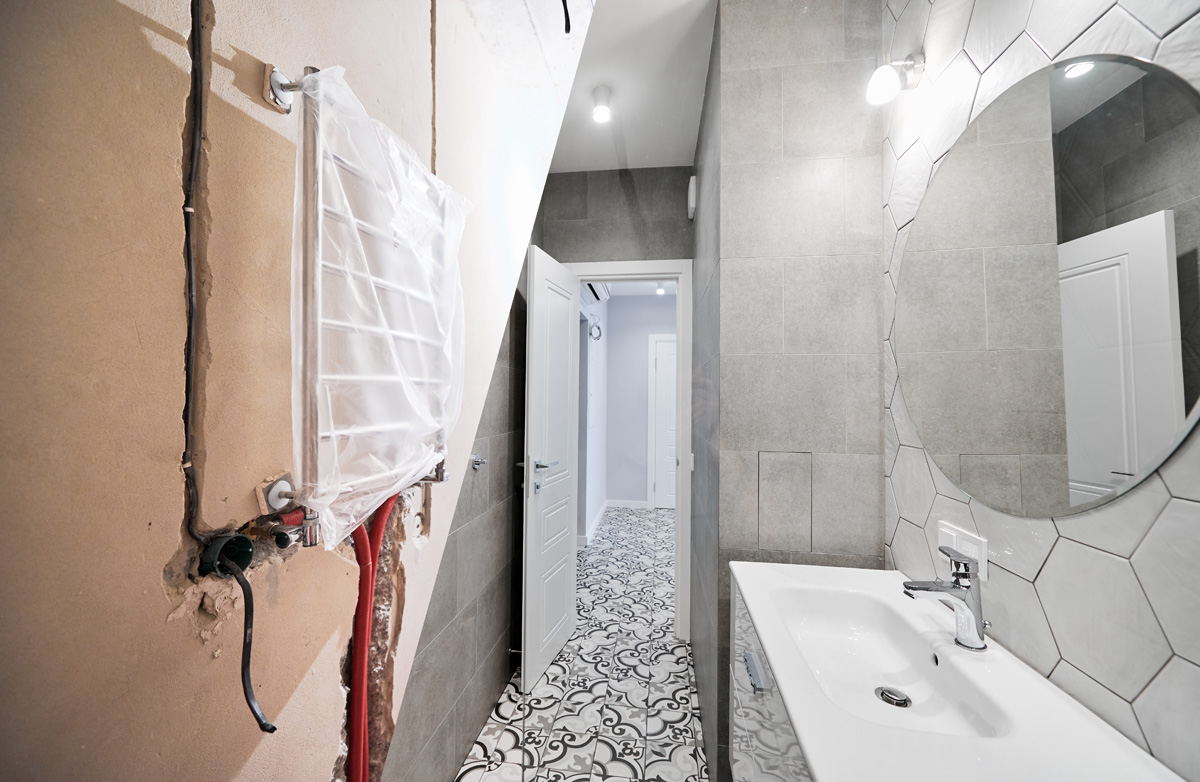
Published: September 19th, 2025
 6 Min Read
Before renovating a bathroom, it is important to understand the expenses involved. Artos helps identify costs, create a plan, and implement even complex projects in Charlotte and the surrounding area.
Factors That Influence Bathroom Renovation Costs
The cost depends on several factors:
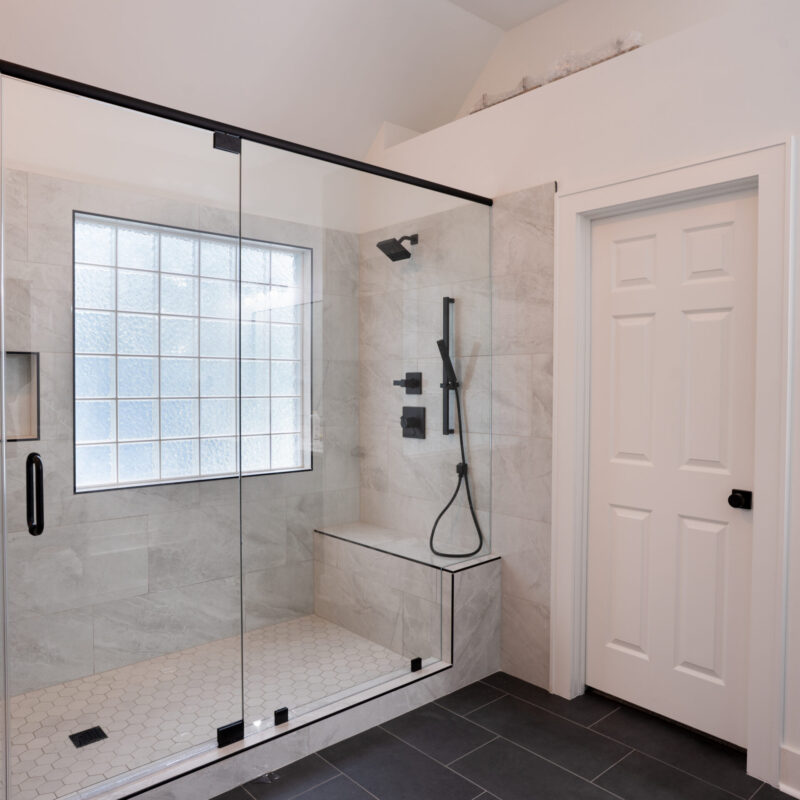
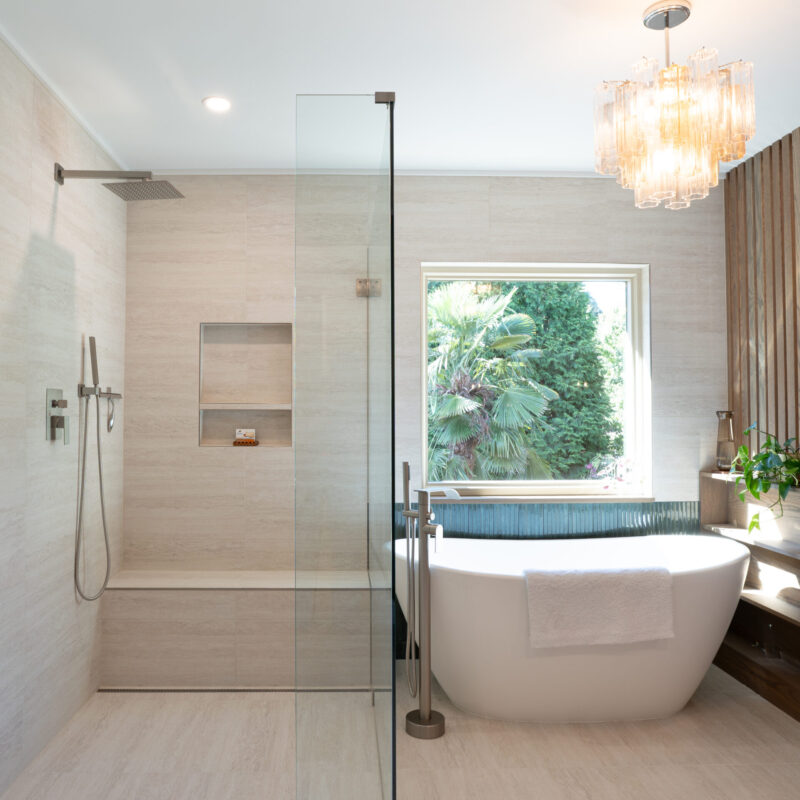
- Type of bathroom. A master bathroom is larger, connected to a bedroom, and often equipped with two sinks and a spacious bathtub. A guest bathroom is smaller, with one faucet and a compact shower.
- Room size. The bigger the space, the more expensive the renovation.
- Type of work. Labor makes up 40–65% of the total cost. Standard installation or carpentry work is cheaper than specialized plumbing, electrical, design, ventilation, heating, or air conditioning services.
- Permits. Some electrical and plumbing work requires permits. These can cost from $100 to $1,500.
- Wall demolition. If needed, costs increase by $1,000–2,500.
- Layout changes. Relocating plumbing and fixtures requires significant expenses — about $5,000.
- Materials. Budget options help save money, while premium materials make the project more expensive.
- Condition of plumbing. Old pipes require replacement, increasing costs. A flood caused by clogged or burst pipes may add $3.75–7 per square foot to repair damaged flooring or subflooring.
- Elements to be replaced. Cosmetic updates with budget finishes are affordable. Installing new fixtures (sink, bathtub or shower, toilet) increases costs. A full remodel that updates finishes, fixtures, and appliances is expensive.
What Is the Average Cost of a Bathroom Renovation?
On average, a bathroom remodel costs $5,000 to $50,000 — that’s about $70–250 per square foot. Large-scale projects with premium materials and professional services can reach $100,000 or more.
According to the NKBA (National Kitchen & Bath Association), to preserve or increase home value, you should spend 5–10% of your home’s price. For example, if a house is worth $200,000, bathroom renovation should cost $10,000–25,000.
What Is a Realistic Bathroom Renovation Budget?
To define a realistic budget, follow these steps:
- Identify the problem. Outdated design, leaks, broken fixtures, low functionality, or preparing a home for sale.
- Define the scope. Do you only need to replace the shower, sink, faucet, flooring, or wall finishes — or complete renovation?
- Measure the room. Length, width, and height determine materials and equipment needs.
- Research the market. Contact several companies, review portfolios with similar projects, and check total costs.
- DIY analysis. If you plan to renovate yourself, factor in costs of materials, tools, and accessories.
All Expenses Related to Bathroom Renovation
Expenses are divided into two categories: labor and materials.
Labor Costs
You can hire a company, a private crew, or individual specialists. A contractor is usually more reliable, convenient, and often cheaper, since they handle materials, demolition, installation, flooring, and painting.
Labor costs depend on:
- The type and complexity of work. For example, laying mosaic tile is harder and more expensive than linoleum.
- Room size. Larger spaces require more work.
Material Costs
For a full renovation, you’ll need:
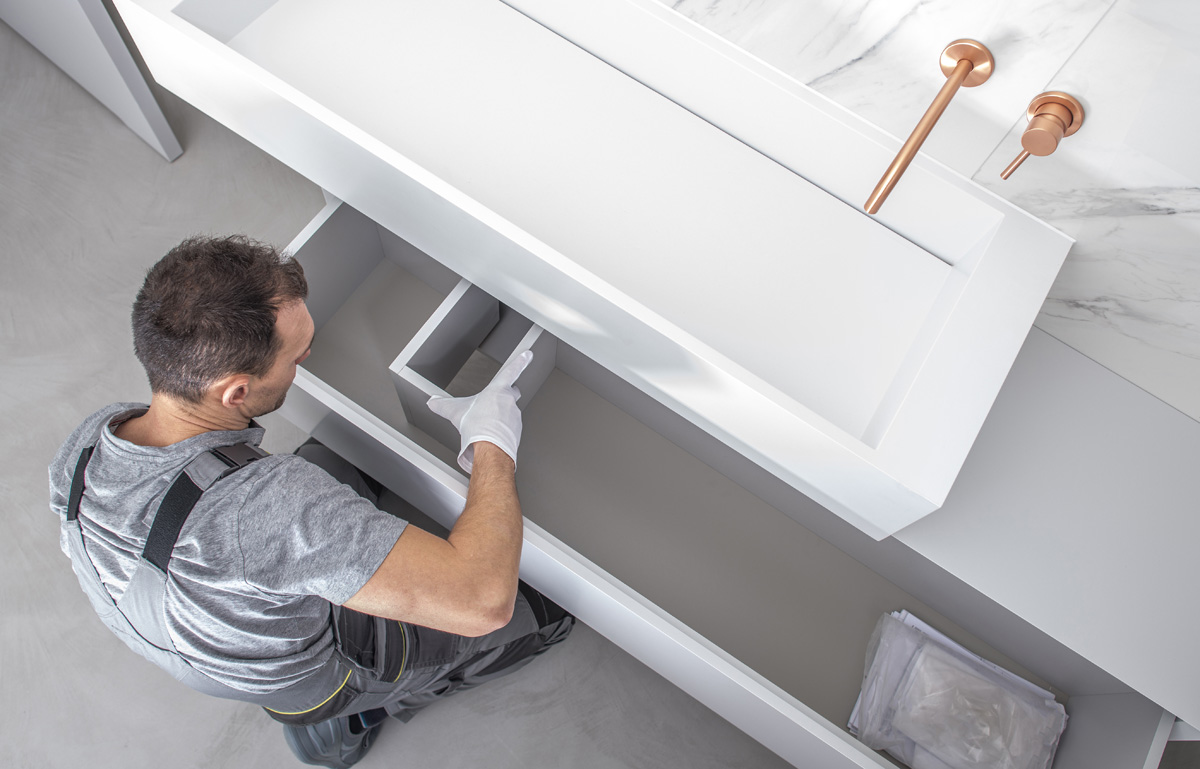
- Plumbing fixtures. Toilet, sink, faucet, showerhead.
- Bathing equipment. Options range from luxurious bathtubs to compact showers. Materials vary: budget acrylic tubs, glass, or composites like artificial marble.
- Furniture. Cabinets or vanities for storage.
- Flooring. Tile is the most practical.
- Wall finishes. Waterproof paint, plaster, decorative coatings, or water-resistant wallpaper with anti-fungal properties.
- Lighting. Standard or recessed fixtures.
- Pipes. Replacement if old or damaged, plus fittings.
- Accessories. Hooks, towel racks, shelves, mirrors, and finishing touches.
Cost of Bathroom Renovation by Size
| Area (sq. ft.) | Average Cost (USD) |
| 25 | $1,800–6,300 |
| 40 | $2,800–10,000 |
| 50 | $3,500–12,500 |
| 75 | $5,300–19,000 |
| 100 | $7,000–25,000 |
The lower amounts apply when saving on labor and materials. The upper limit is virtually unlimited, depending on the client’s budget and imagination.
Is Bathroom Renovation Worth the Investment?
Yes.
- Increased property value. Renovation is an investment. According to the Cost vs. Value Report, return is at least 45%, while a mid-range remodel recoups 75%.
- Necessary replacements. Broken fixtures must be replaced to prevent leaks and flooding.
- Comfort. A renovated bathroom makes daily routines more pleasant.
Note: Renovation may raise property taxes. Contact your local tax authority to find out how much.
Can You Renovate a Bathroom for $5,000?
Yes, if it’s a light cosmetic update or replacement of individual fixtures. You can save by choosing mass-market products, buying from large retailers, or shopping online. But a full renovation with premium materials is impossible on this budget.
DIY vs. Hiring Professionals
Both options have pros and cons.
DIY Advantages
- Savings on labor.
- Full control of the process.
- Flexible pace.
- Ability to create a unique design.
- Great for simple tasks (painting walls, installing lights).
- Skill development for future projects.
DIY Disadvantages
- Risk of fines for code violations or lack of permits.
- Risk of injury with tools.
- Mistakes can increase costs and timelines.
- Physically demanding and time-consuming.
- Complex plumbing, electrical, or demolition work requires expertise.
Hiring a Contractor: Pros
- Guaranteed quality for complex work.
- Compliance with regulations.
- Ability to handle any task.
- Minimal client involvement.
- Faster timeline: 1–6 weeks depending on project scope.
- Warranty on work.
Hiring a Contractor: Cons
- Higher costs.
- Strict adherence to standards, which may conflict with client expectations.
FAQ
How much does it cost to renovate a small bathroom?
What’s the most expensive part of bathroom renovation?
How long does it take?
How to plan a bathroom renovation?
Do you need permits?
Walk-In Shower vs Full Bathroom Remodel: Which Option Makes Sense?
A walk-in shower remodel usually makes sense when the main goal is to improve one important part of the bathroom without reworking...
Read More
Bathroom Remodel Permits: What Needs Approval?
A bathroom remodel in Charlotte may require permits when the project changes plumbing, electrical systems, mechanical systems, structural elements, or other regulated...
Read More
Can You Live at Home During a Bathroom Remodel?
Yes, in many cases you can live at home during a bathroom remodel — especially if the project affects only one bathroom...
Read More